Best Time to Visit Lahore: A Complete Seasonal Guide
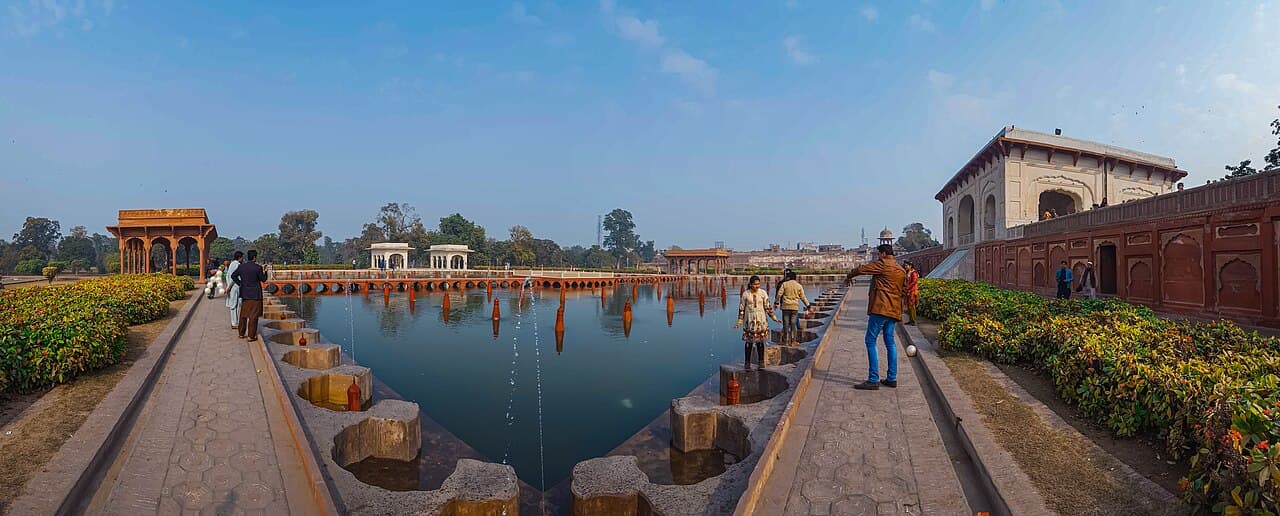
Lahore's weather swings from brutal summer heat to misty winter mornings. Here's exactly when to come, what to expect, and how to plan around the city's major events.
Lahore operates in extremes. In June, the temperature touches 45°C and the city empties of anyone who can afford to leave. In January, the fog rolls in so thick that flights are grounded and the Walled City's lanes disappear into grey silence. Between these poles lie two short, brilliant windows when Lahore is the finest city in South Asia to be in. This guide tells you when those windows are and how to use them.
October to November: The Golden Season
This is, unambiguously, the best time to visit Lahore. The monsoon ends in September and takes the humidity with it. October arrives crisp and clear, with daytime temperatures in the mid-20s Celsius, evenings that require a light jacket, and skies of a blue that makes every Mughal monument photograph like a painting. The light in October — lower in the sky, amber-toned in the late afternoon — does things to the red sandstone of Lahore Fort and the tile mosaics of Wazir Khan Mosque that summer's harsh overhead glare cannot. If you are visiting for heritage, culture, and walking, come in October.
February to March: Basant Season
Lahore's spring used to begin officially with Basant — the kite-flying festival that turned the city's rooftops into a carnival of colour and filled the sky with thousands of kites locked in aerial combat. The festival has faced restrictions in recent years due to the use of metal-coated string. But February and March remain an excellent time to visit: temperatures are mild (15–25°C), the city's gardens are blooming, and the Lahore Literary Festival typically takes place in February, drawing writers, thinkers, and audiences from across Pakistan and abroad. The Alhamra Arts Council calendar is usually full during these months.
Winter (December–January): Fog, Nihari, and the Long Nights
Lahore's winters are not cold by northern European standards, but they have a character unlike anywhere else in Pakistan. The dense fog that settles over Punjab in December — the kind that reduces visibility to ten meters — creates an atmosphere of extraordinary intimacy in the Walled City. The food shifts to its warmest register: nihari for breakfast at Waris, paye at Phajja, haleem at the Gawalmandi stalls that only operate in winter. The downside is that fog disrupts travel; if you are flying, build buffer days into your itinerary. If you are driving from Islamabad, leave early or don't leave at all.
Avoid: May to August
Summer in Lahore is not for the faint-hearted. The temperature peaks in May and June, regularly exceeding 42°C, and the pre-monsoon weeks in late May bring a dry, furnace-like heat that makes outdoor sightseeing an act of minor endurance. The monsoon arrives in July and brings relief in the form of spectacular thunderstorms, but also flooding, humidity, and infrastructure strain. Lahoris love the monsoon — there is a local tradition of eating pakoras and corn during the first rains — but unless you have a specific reason to visit in summer, it is the season to skip.
Key Events to Plan Around
The Lahore Literary Festival (February) is Pakistan's premier gathering of writers and is genuinely worth arranging a trip around. Defence Day (6 September) brings military displays and a certain theatrical patriotism to the city. Eid ul Fitr and Eid ul Adha animate Lahore in ways that are either extraordinary or inconvenient depending on your tolerance for closed shops and extremely full food streets. During Eid, the Walled City's food street scene is at its most festive and most chaotic simultaneously. Either way, Lahore's best season is autumn. Book your hotel in October and count yourself fortunate.
Story
Travel
Reading time
6 min
Legacy editorial
First published 15 March 2025
Verify changing facts and prices independently.
More scenes from the destination
General destination planning
Check current details before you go
These official links are general planning resources, not evidence for this article. Opening hours, fares, prices, access rules and businesses can change, so confirm details independently for your dates.
About the Author
Taqi Naqvi
AI entrepreneur and the founder of Top 10 Lahore. Building AI-powered content and research tools across South Asia.
Connect on LinkedIn