The Rise of Lahore's Cafe Culture: From Pak Tea House to Third Wave
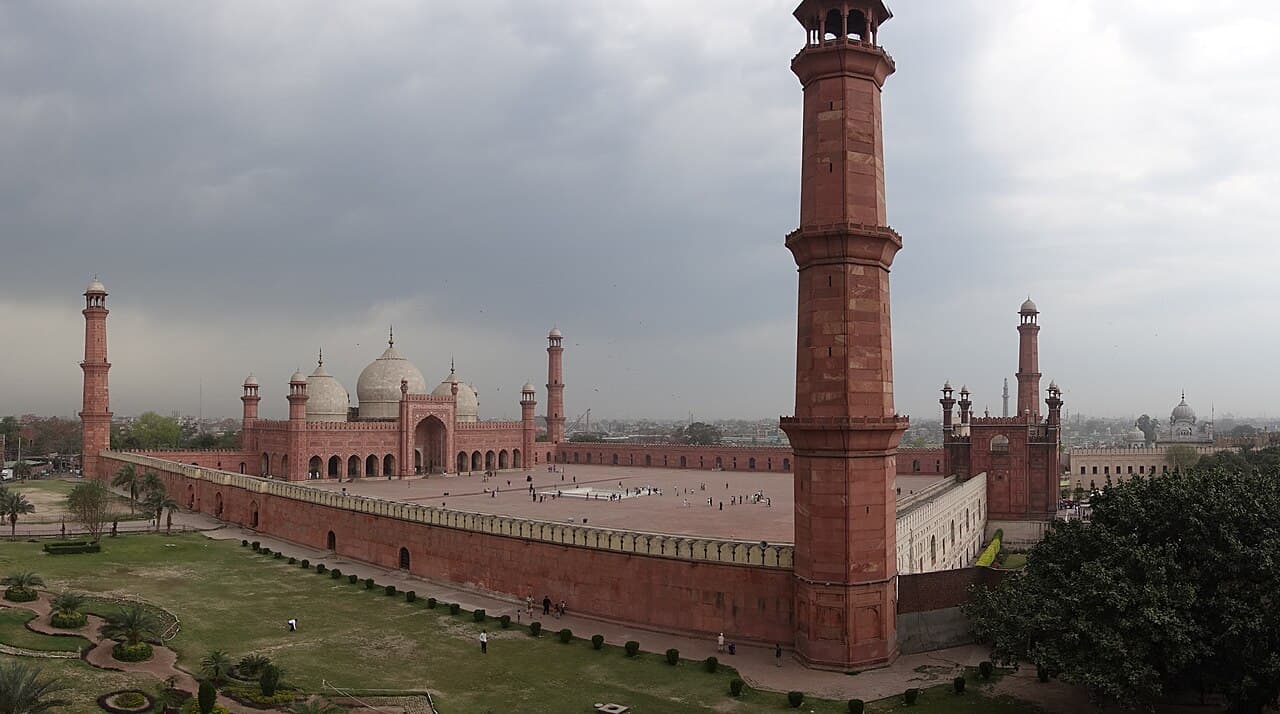
How Lahore went from literary dhabas and milky doodh patti to specialty espresso, rooftop gardens, and the most vibrant cafe scene in Pakistan.
Lahore has always had a cafe culture. It just did not used to involve latte art. The city where Faiz Ahmed Faiz argued politics over cardamom tea, where Intizar Husain wrote his early fiction in dhaba booths, and where the Punjab Literary Conference held its legendary sessions in backroom restaurants — this city was always one where sitting, drinking, and talking constituted serious civic activity. What has changed in the last decade is the aesthetic, the economics, and the geography.
Pak Tea House: The Original
No account of Lahore's cafe culture begins anywhere other than Pak Tea House on The Mall. Opened in the 1940s, it became the meeting ground for Lahore's literary and political left — Faiz Ahmed Faiz, Saadat Hasan Manto, and Ahmad Faraz all held court here. The tea was always secondary to the conversation; the point was proximity to minds in motion. The original establishment closed in 2000 and was restored by the Punjab government in 2013. The revival is imperfect — the ghosts are harder to restore than the furniture — but it remains a necessary pilgrimage, if only to understand what Lahore's intellectual tradition looked like when it gathered in a room.
Gulberg: The New Gravity
The first wave of modern Lahori cafes established itself in Gulberg, the planned residential colony that became the city's commercial and social heart from the 1970s onward. Gloria Jean's arrived in the early 2000s and taught a generation of Lahoris that coffee could be something other than instant powder dissolved in hot milk. It now feels like ancient history. Gulberg's cafe map today includes independent roasters, bookshop-cafes, and hybrid spaces that function simultaneously as co-working offices, exhibition venues, and meeting points for the city's creative class.
DHA: The Instagram Cafe Belt
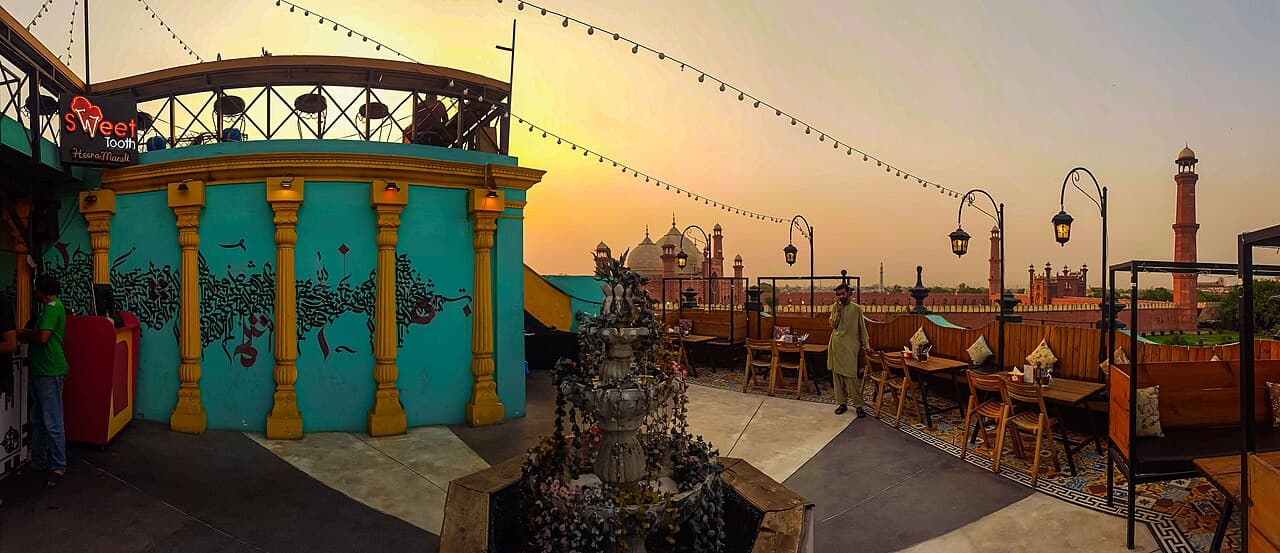
Defence Housing Authority (DHA) and the adjacent Bahria Town corridor became, from around 2018, the primary location for the second wave — what you might call the Instagram Cafe Era. These establishments compete fiercely on visual identity: exposed brick, hanging Edison bulbs, living walls, rooftop gardens with views of the Canal Road and the Ravi floodplain beyond. Cafe Aylanto in Phase 4 set the tone early and has maintained a genuine kitchen quality that many imitators have not matched. The Old Lahore Coffee House chain brought specialty beans and manual brew methods to an audience that had never heard of a V60. The lines on weekends answer whether the market was ready.
The Third Wave Has Arrived
By 2023, Lahore had specialty coffee in a form that would be recognisable to anyone who has spent time in London, Melbourne, or Seoul. Cafes now stock single-origin beans roasted in-house, offer pour-over and aeropress alongside espresso, and employ baristas who have trained abroad or trained under those who have. Coffee Wagera, Browns, and a cluster of newer independents in Faisal Town and Johar Town have brought the technical standard of the cup to a level that would have been incomprehensible a decade ago. The prices have risen accordingly. But so has the seriousness.
The Dhaba Endures
None of this has displaced the dhaba. On Circular Road, on the back streets of Anarkali, outside every university gate in the city, the traditional Lahori dhaba — plastic chairs, steel cups, a gas burner, a pot of doodh patti that has been on low heat since before sunrise — continues to operate as the city's true democratic cafe. The tea costs Rs 30. The conversation is free. The dhaba owner knows exactly which table the regulars prefer, and the regulars have been sitting at those tables for twenty years. Lahore's cafe culture, new and old, is really the same culture: the culture of showing up, sitting down, and talking until someone else needs the table.
Story
Lifestyle
Reading time
7 min
Legacy editorial
First published 2 March 2025
Verify changing facts and prices independently.
More scenes from the destination
General destination planning
Check current details before you go
These official links are general planning resources, not evidence for this article. Opening hours, fares, prices, access rules and businesses can change, so confirm details independently for your dates.
About the Author
Taqi Naqvi
AI entrepreneur and the founder of Top 10 Lahore. Building AI-powered content and research tools across South Asia.
Connect on LinkedIn