Lahore's Breakfast Culture: A Halwa Puri to Nashta Guide
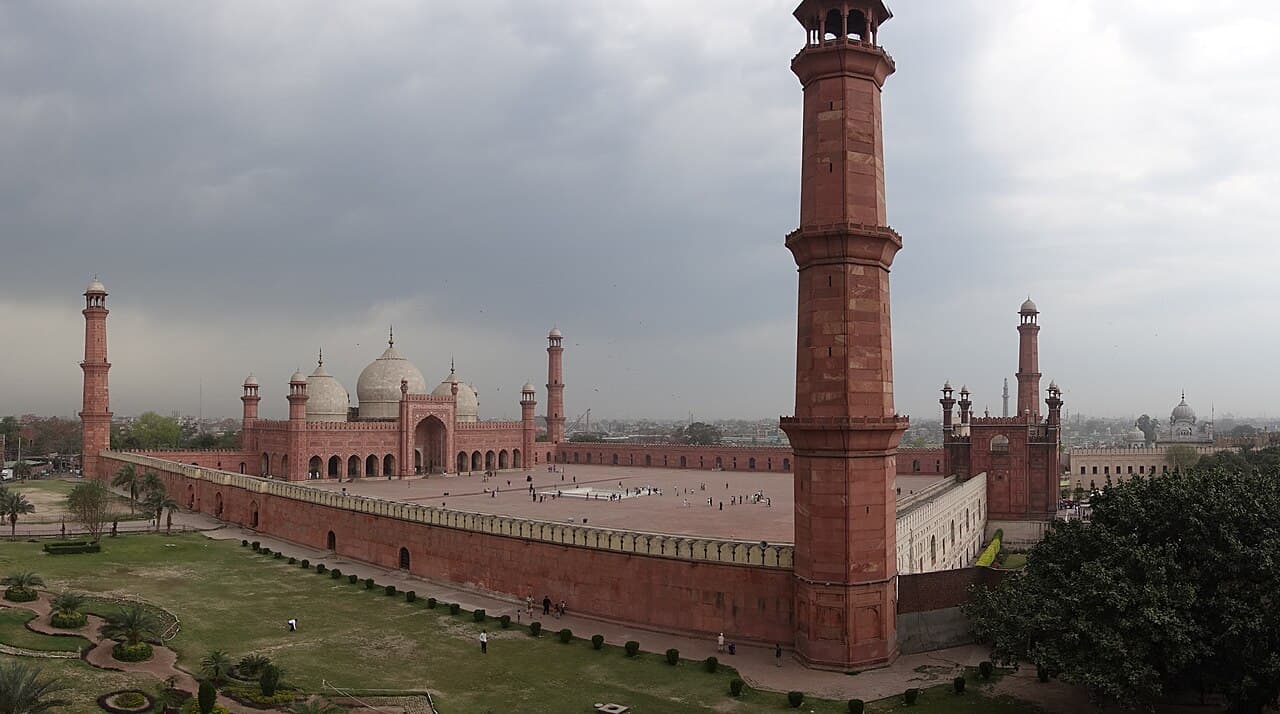
From Taj Mahal's legendary halwa puri in Mozang to Butt Sweets' mithai-soaked mornings — a proper insider's guide to where Lahoris actually eat breakfast.
Lahore does not do breakfast quietly. In this city, the first meal of the day is a full production — hot oil, rising dough, bubbling chickpea curries, and men standing around steel trays at 7 am with the focused seriousness of people doing important work. If you have been surviving on hotel buffets or biscuits from a corner shop, you have been missing the city's most unguarded, most honest face. Nashta in Lahore is not a meal. It is a ritual.
The Halwa Puri Hierarchy
Every Lahori has a non-negotiable opinion on where to eat halwa puri. The dish itself is deceptively simple: deep-fried puris, bright orange sooji halwa sweetened with sugar and cardamom, and a white chickpea salan (channa) that carries enough spice to wake you up better than any coffee. The quality difference between a mediocre plate and a great one is enormous, and Lahoris can taste it instantly. The three names that come up most reliably in serious discussions are these:
Taj Mahal Halwa Puri, Mozang
Taj Mahal on Mozang Road has been operating since the 1960s and commands the kind of quiet authority that comes only from decades of consistent excellence. The puris here are pulled from the karhai at the exact moment they achieve the right degree of puff — crisp at the outer shell, pillowy inside, still exhaling steam when they hit your plate. The halwa is not too sweet; the channa has a fenugreek undertone that is distinctly their own. Arrive before 9 am or join a queue. Budget Rs 250–300 per person for a full plate with lassi.
Yasir Broast, near Kalma Chowk
The name says broast but locals know that Yasir near Kalma Chowk does one of the best halwa puri setups on the Gulberg-adjacent side of the city. It draws a different crowd from Mozang — younger, more DHA-leaning — but the puri quality is serious, the halwa is generous, and they add a fried aloo (potato) bhaji to the standard plate that Taj Mahal does not. Rs 280–350. Better parking. Less soul, slightly more comfort.
Butt Sweets, Multiple Locations
Butt Sweets is not primarily a halwa puri destination but it is inescapable in any honest nashta conversation. Their mithai-counter breakfast — jalebi fresh from the kadhai, gulab jamuns still warm, and a thick lassi to wash it all down — is a different kind of morning experience. Less savoury anchoring, more sugar-forward celebration. The Mozang and Gulberg branches are the most dependable. A solid mithai and lassi nashta runs Rs 300–400.
Beyond Halwa Puri: The Other Great Lahori Breakfasts
Paye: The Serious Option
If halwa puri is Lahore's celebratory breakfast, paye — slow-cooked trotters in a ginger-forward gravy — is the working man's sustenance. The paye corridor in the Walled City, specifically around Chowk Nawab Sahib and the lanes behind Delhi Gate, opens around 5 am and runs until the pot is empty, usually by 10. Phajja Siri Paye, which has been operating on the same stretch for over eighty years, serves the definitive version: the gravy is thick from overnight reduction, the ginger is cut fresh tableside, and the roti from the adjacent tandoor is best eaten immediately. Cost: Rs 350–500 per bowl with bread.
Channa Bhatura
A cousin of the halwa puri format but notably different in character. The bhatura is larger, fluffier, and slightly tangier than a standard puri — leavened with yoghurt, fried to a balloon-like puff. The channa is darker, bolder, and usually includes whole spices visible in the gravy. The best channa bhatura in Lahore is found in the Iqbal Town and Garhi Shahu areas, where transplanted UP communities from Partition-era migration maintained the dish's North Indian register. Expect to pay Rs 200–250 per plate.
Lassi: The Great Equaliser
No Lahori nashta is complete without a glass — or a clay kulhar — of fresh lassi. The distinction here is between sweet lassi (malai laddi, with a thick cream crown) and salted lassi (namkeen, thinner, often with a pinch of zeera). The sweet version from Ijaz Lassi near Anarkali, which has been blending in the same spot since before many of its customers' parents were born, is the reference standard: full-fat dahi, a measured hand with the sugar, a crown of malai so thick it requires a spoon. Price: Rs 80–120 per glass depending on size.
The Nashta Neighbourhood Map
Where you eat nashta in Lahore is as much about geography and habit as it is about food quality. Mozang is the old city's breakfast corridor — dense, chaotic, legendary. Garhi Shahu is where you find the best channa bhatura and the most authentically pre-Partition culinary continuity. Gulberg and MM Alam Road offer the same dishes in slightly more comfortable surrounds at a modest premium. DHA has cafes that serve a western breakfast alongside desi options — fine for a lazy Sunday but not where you go if you mean business.
The rule is simple: go early, go where the crowd is, and do not overthink it. Lahore's breakfast cooks have been perfecting these dishes for generations. Your only job is to show up hungry.
Story
Food
Reading time
7 min
Legacy editorial
First published 5 April 2025
Verify changing facts and prices independently.
More scenes from the destination
General destination planning
Check current details before you go
These official links are general planning resources, not evidence for this article. Opening hours, fares, prices, access rules and businesses can change, so confirm details independently for your dates.
About the Author
Taqi Naqvi
AI entrepreneur and the founder of Top 10 Lahore. Building AI-powered content and research tools across South Asia.
Connect on LinkedIn