The Ultimate Lahore Food Trail: A Walk Through the Walled City
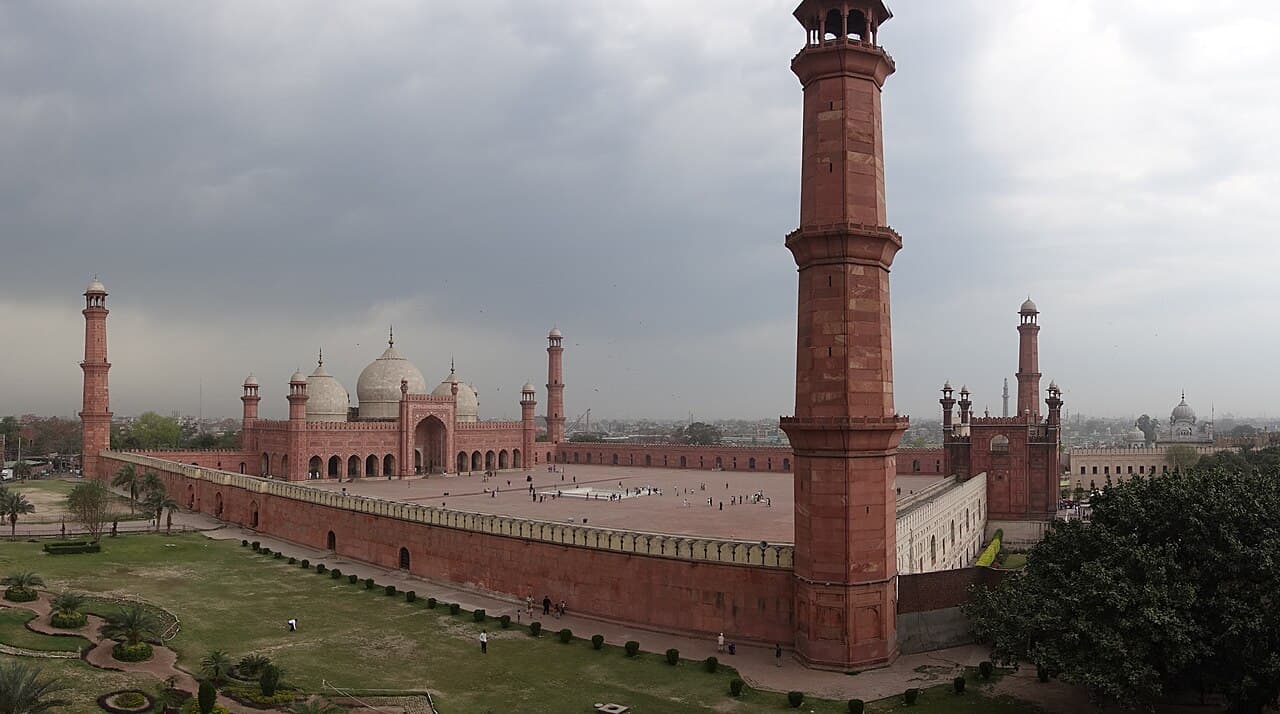
From Lakshmi Chowk's sizzling karahis to Gawalmandi's dahi bhallay at dawn — a step-by-step food walk through Lahore's most storied streets.
There is no city in South Asia where eating is a more serious business than Lahore. The Walled City — the original Lahore, the one Mughals built and Sikhs embellished and the British tried to tame — is its most concentrated expression. Inside those crumbling gates, every gali smells of something extraordinary.
Start at Lakshmi Chowk: The Midnight Karahi Capital
If you arrive after 10 pm, Lakshmi Chowk is already thundering. A dozen karahi stalls line the road, tawa heat radiating into the cold night air. The drill is simple: pick your weight of mutton or chicken, watch the cook toss it into a blackened wok with tomatoes, whole green chillies, and an impossible quantity of desi ghee, then eat it standing with a stack of tandoor rotis. Butt Karahi and Phajja Siri Paye draw the longest queues. Budget Rs 800–1,200 per head. Come hungry.
Breakfast: Paye at Waris Nihari, Chowk Nawab Sahib
Dawn in the Walled City belongs to nihari and paye. Waris Nihari, tucked behind Chowk Nawab Sahib, has been slow-cooking beef shanks since before Partition. The nihari arrives in a wide, shallow bowl — copper-orange gravy shining with clarified fat, a squeeze of lemon, a fistful of fresh ginger julienne, and a bhuna masala so deep it takes you three rotis just to get to the meat. Old men read newspapers over this dish. You will understand why.
Mid-Morning: Anarkali Bazaar Samosa Chaat
By mid-morning the bazaars are awake. Anarkali's inner lanes hide a dozen chaat vendors who have held the same corner for decades. The samosa chaat here is assembled in layers: crushed samosa, boiled chickpeas, dahi, imli chutney, zeera powder, and a blizzard of finely cut onions and coriander. Each element has been prepared with the care of a component in a Mughal feast. Eat it fast — the samosa goes soggy quickly, and soggy is a crime here.
Lunch: Gawalmandi Food Street
Gawalmandi Food Street is Lahore's most theatrical eating experience. The restored havelis make a magnificent backdrop; the food itself is the main event. Order the murgh cholay from any stall flying the most customers, then chase it with a glass of sugarcane juice from the press across the road. If it is winter, the haleem stalls will be operating, and haleem in Lahore — slow-cooked wheat, lentils, and beef, finished with crispy fried onions and a drizzle of lime — is a dish that erases all other memories.
Afternoon: Lohari Gate's Rabri and Kulfi
Sweet relief comes at Lohari Gate. The rabri shops here have a deserved reputation — thick reduced milk, cardamom, and rose water, served in terracotta bowls still cool from the fridge. Next door, the kulfi vendor threads a bamboo stick through a dense, pistachio-flecked kulfi mould and hands it to you unwrapped. There is no napkin. There is no need.
Evening: Heera Mandi and the Nihari Corridor
By evening, the Walled City's pace changes again. The narrow lanes around Bhati Gate fill with the smell of biryanis being assembled for the dinner rush. This is also the time to order puri cholay from the old-school stalls near the mosque side streets — puffy, oil-slicked puris with a white chickpea curry that is deceptively simple and devastatingly good. End the trail with a cup of Lahori doodh patti at any dhaba on Circular Road, where the tea is so thick it pours slowly and the conversation, in proper Lahori Punjabi, flows all night.
Story
Food
Reading time
8 min
Legacy editorial
First published 10 February 2025
Verify changing facts and prices independently.
More scenes from the destination
General destination planning
Check current details before you go
These official links are general planning resources, not evidence for this article. Opening hours, fares, prices, access rules and businesses can change, so confirm details independently for your dates.
About the Author
Taqi Naqvi
AI entrepreneur and the founder of Top 10 Lahore. Building AI-powered content and research tools across South Asia.
Connect on LinkedIn