Lahore for Architecture Nerds: Beyond the Mughal
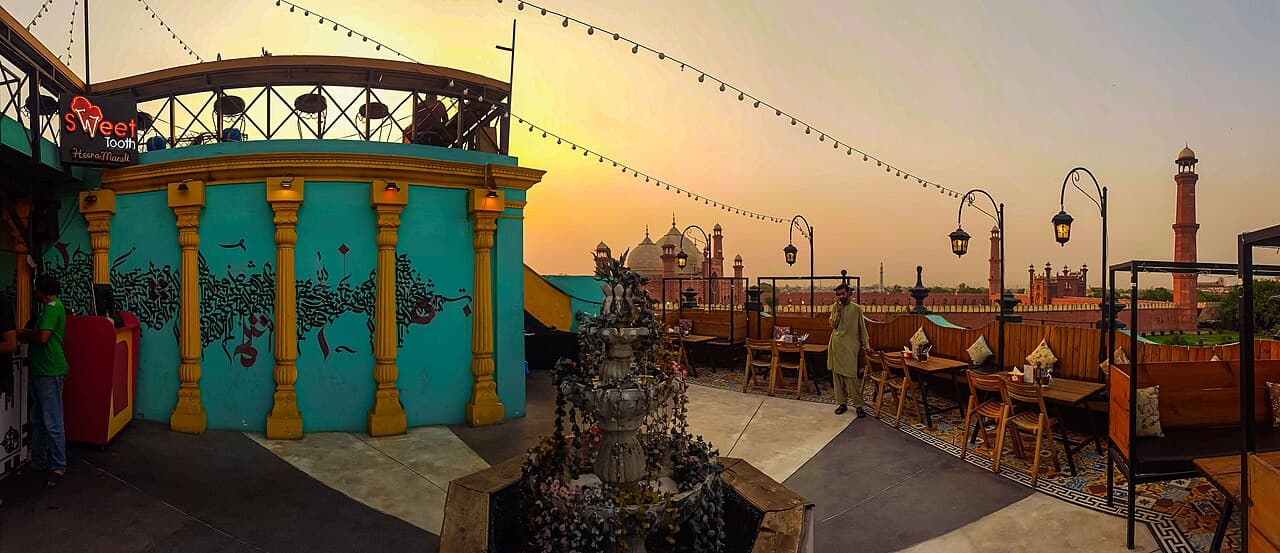
The High Court in British Gothic, the Samadhi of Ranjit Singh in Sikh splendour, Art Deco cinemas on The Mall — Lahore's architectural range extends far beyond the monuments everyone photographs.
Every visitor to Lahore comes for the Mughals and they are right to do so. Badshahi Mosque and Wazir Khan are among the finest buildings in the world. But Lahore has had, beyond the Mughal period, two more complete architectural eras — the Sikh period of the early 19th century and the British colonial period of the late 19th and early 20th — and a scattering of significant modern buildings that together constitute a city whose architectural breadth is genuinely extraordinary and almost entirely undervisited. This guide is for people who want the whole story.
British Colonial Lahore: Governance in Gothic
The British arrived in Lahore in 1849 after annexing the Punjab following the Second Anglo-Sikh War and immediately began building an administrative city alongside the existing Walled City. Their chosen style was a hybrid they called Indo-Saracenic — Gothic structural ambition draped in Mughal and Rajput decorative vocabulary, with Victorian engineering underneath. The result is a cluster of buildings on and around The Mall that read as simultaneously foreign and local, which is either a coherent architectural vision or a colonial contradiction, depending on your sympathies.
Lahore High Court
The Lahore High Court, built between 1887 and 1893 by architect Bhai Ram Singh (who was also responsible for much of the University of the Punjab), is the finest Indo-Saracenic building in Lahore and arguably in Pakistan. Its red sandstone facade — quarried from the same Rajasthani deposits the Mughals used — combines pointed Gothic arches with Mughal chhatri domes, Rajput jali screens, and a central clock tower that would not look out of place in Victorian Manchester except for the chhatris flanking it. The building is in active use as a working court; access to the interior requires either a legal matter or a convincing explanation, but the exterior from The Mall's eastern footpath repays serious looking.
GPO Building (General Post Office)
The GPO on The Mall, designed by James Ransome and completed in 1887, is a more restrained exercise in the same idiom — red sandstone, arcaded ground floor, Mughal-inflected bracketing at the cornice line. It remains a functioning post office. Walk inside: the interior dome and the original timber counters, most of them still operational, create an atmosphere of formal Victorian order that is almost disorienting in contemporary Lahore. The building is mundane in the best architectural sense — designed to be used daily, at scale, without fanfare.
Aitchison College
Aitchison College in the cantonement area was founded in 1886 as the "Chiefs College" — an institution intended to educate the sons of Punjab's landed gentry in the English public school manner. The campus is designed in a consistent Indo-Saracenic register and reads as a complete statement of late Victorian educational ambition: quadrangles, arched colonnades, cricket pitches, a chapel, and a dining hall modelled on Oxbridge originals. The buildings are spread generously across a large site that has been maintained with unusual care. The college does not offer public tours but the main gate on the Jail Road side offers a clear view of the principal building's facade.
Sikh Period Lahore: The Interrupted Legacy
Sikh rule in Lahore lasted less than fifty years (1799–1849) but produced buildings of great distinction, including the single most important piece of architecture from that period anywhere in the Punjab.
Samadhi of Maharaja Ranjit Singh
The Samadhi of Ranjit Singh, the cremation memorial of the founder of the Sikh Empire, stands in the forecourt of Lahore Fort — directly between the Alamgiri Gate and Hazuri Bagh — and is an extraordinary building that most visitors to the Fort walk past with only a glance. This is a mistake. The samadhi is a multi-storey domed structure in marble, with kiosk-topped pavilions at each corner, intricate marble inlay panels, and gilded fluted domes that catch the afternoon light with an intensity that the surrounding sandstone cannot match. The interior — rarely entered by non-Sikh visitors, though entry is respectful and permitted — contains the marble platform where Ranjit Singh's ashes were kept, surrounded by frescoed walls in the Lahori style. The building is a direct conversation with Mughal precedent in the same landscape: Ranjit Singh was consciously positioning himself as heir to the Mughal tradition, and his samadhi argues that case in marble and gold.
Modern Lahore: Nayyar Ali Dada and the National Effort
Al-Hamra Arts Council
The Al-Hamra Arts Council complex on The Mall, designed by Nayyar Ali Dada and completed in phases from the 1970s through the 1990s, is Pakistan's most significant piece of post-Independence public architecture. Dada worked in a regionalist Modernist tradition — taking the geometric and spatial logic of Mughal architecture and reinterpreting it through modern materials and a contemporary programme. The complex consists of multiple halls, galleries, and open-air performance spaces arranged around a series of courtyards that clearly recall the Mughal haveli plan. The brick and concrete surfaces avoid the historicist pastiche of the colonial period; they are modern without being cosmopolitan, rooted without being nostalgic. If you are in Lahore for the arts, this is where things happen. If you are in Lahore for architecture, this is required.
Art Deco on The Mall: The Cinema Heritage
Between The Mall and the adjoining streets, Lahore once operated a string of Art Deco cinemas that served as the city's primary popular entertainment infrastructure from the 1930s through the 1970s. Plaza Cinema, Regal Cinema, and the now-demolished Regent Cinema were built in the streamlined Art Deco idiom — curved facades, geometric marquees, cream-and-chrome interiors — that defined the global cinema aesthetic of the period. Most have been converted or are in decay. The Plaza Cinema building on The Mall retains its facade in recognisable condition and is worth examining as an artefact of a Lahore that took popular architecture as seriously as monumental architecture. The loss of these buildings is one of the less-discussed dimensions of what the city has demolished in the name of progress.
How to Structure an Architecture Day
A single dedicated day, starting at 8 am, can cover the key sites. Begin at Wazir Khan Mosque in the Walled City for the Mughal foundation. Walk west to the Samadhi of Ranjit Singh and the fort forecourt. Then drive or take a rickshaw to The Mall for the High Court, GPO, and the remnant Art Deco cinemas. Finish at Al-Hamra in the afternoon. Aitchison is a short detour from the Cantt area if you have a vehicle. This itinerary covers four architectural periods, four distinct aesthetic philosophies, and approximately 450 years of construction history in one walkable-drivable day. No other city in Pakistan offers that range.
Story
Heritage
Reading time
8 min
Legacy editorial
First published 3 May 2025
Verify changing facts and prices independently.
More scenes from the destination
General destination planning
Check current details before you go
These official links are general planning resources, not evidence for this article. Opening hours, fares, prices, access rules and businesses can change, so confirm details independently for your dates.
About the Author
Taqi Naqvi
AI entrepreneur and the founder of Top 10 Lahore. Building AI-powered content and research tools across South Asia.
Connect on LinkedIn