The Rise of Lahore's Specialty Coffee Scene
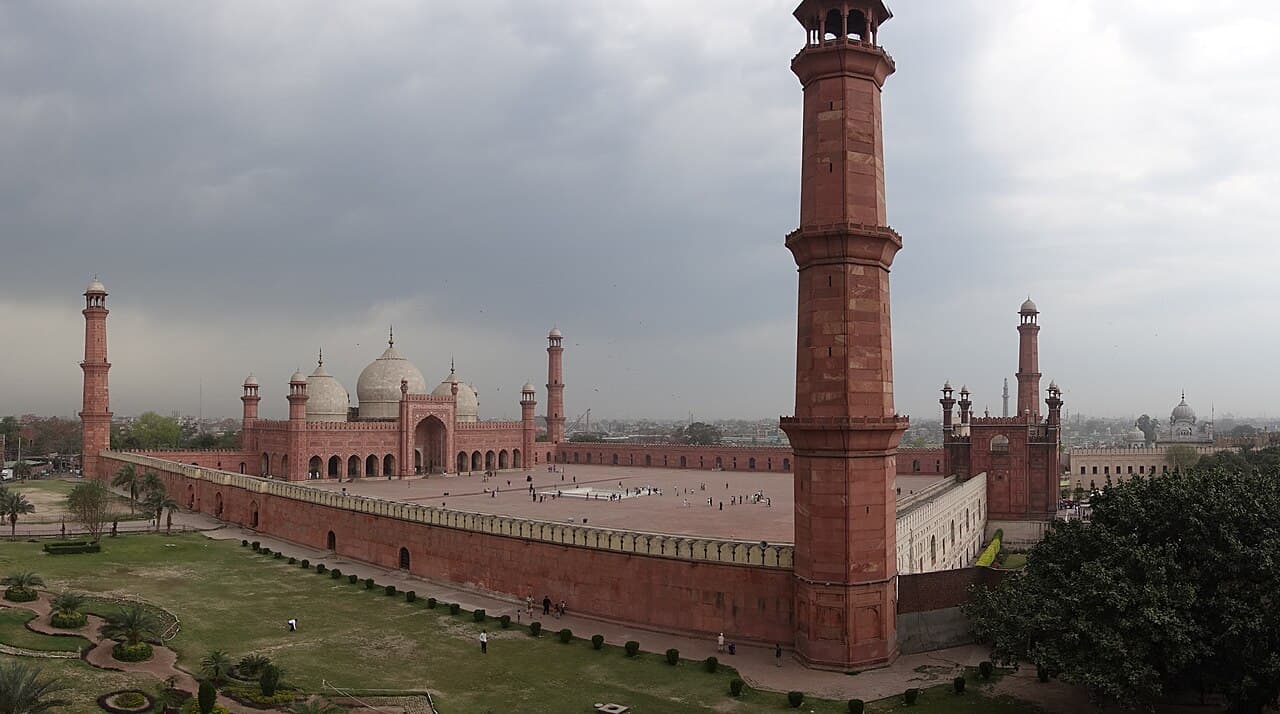
From Gloria Jean's to single-origin pour-overs — how Lahore's coffee culture evolved from commercial chains to a genuine third-wave scene, and where to drink it now.
Ten years ago, ordering a "flat white" in Lahore would have earned you a confused look and a glass of warm milk with Nescafé dissolved in it. Today, you can find a reliably pulled espresso with microfoam textured to the correct temperature and consistency in at least a dozen locations across the city, made by baristas who understand the difference between a 1:2 ratio and a lungo and who will tell you, unprompted, where the beans were grown and who roasted them. This is not a small shift. It is a transformation of what Lahore considers worth doing seriously.
The Commercial Era: Gloria Jean's and What It Built
Lahore's modern coffee culture begins, approximately, with Gloria Jean's arrival in the early 2000s. This is not a compliment to Gloria Jean's coffee — it was then and remains now a commercial, unremarkable chain product — but it served a necessary cultural function. It taught a generation of Lahoris that a coffee shop could be a destination in itself: a place to sit for two hours with a laptop, to meet someone without the formality of a restaurant, to spend Rs 350 on a single drink without feeling extravagant. The concept of the coffee shop as neutral social territory was not new globally, but it was new in Lahore, where public social space was historically either the dhaba (cheap, male-dominated, functional) or the restaurant (formal, familial, occasion-specific). Gloria Jean's opened a middle category. Everything that followed built on that.
The Second Wave: MM Alam and the Cafe Belt
MM Alam Road in Gulberg became Lahore's first genuine cafe strip — a stretch of commercial properties whose ground floors turned over, through the 2010s, from shops and offices into cafes and restaurants at a remarkable rate. Espresso on MM Alam Road is the anchor establishment of this era: a serious espresso bar that understood extraction ratios before most of its customers did, sourced better beans than its competitors, and maintained a quality standard that gave Lahori coffee drinkers a reference point for what a properly made espresso should taste like. It remains excellent. The price point — a cappuccino runs Rs 550–650 — positions it clearly in the upper-middle tier.
Coffee Wagera, Gulberg
Coffee Wagera in Gulberg represents the transition point between second and third wave. The interior is designed with deliberate restraint — exposed concrete, clean lines, no mood lighting — and the menu includes manual brew options alongside espresso. Their single-origin filter coffee, when available, is genuinely interesting: sourced from Ethiopian or Colombian farms, brewed on V60 or Chemex, served without milk at a temperature that lets the fruit notes develop. A pour-over runs Rs 600–750. The baristas here are among the technically better-trained in the city.
The Third Wave: Where It Is Now
Yum, DHA Phase 5
Yum in DHA Phase 5 occupies an awkward position in Lahore's coffee hierarchy — it is simultaneously a place where people come for the aesthetics and the food menu, and a place where the coffee is actually worth ordering. Their house blend is consistent, the espresso machine is maintained properly, and the oat milk is a recent addition that suggests someone here is paying attention to what is happening in specialty cafes globally. On a weekend morning it is genuinely difficult to find a seat. Cappuccino: Rs 500–600.
Butlers Chocolate Cafe, Johar Town
Butlers is an Irish chocolate brand, and its Johar Town location in Lahore leans heavily into the pairing of good espresso with house-made chocolate products. The coffee itself is not the city's most technically accomplished, but it is well above average, sourced from a reputable roaster, and the combination of a properly pulled cortado with a dark chocolate truffle is one of Lahore's better mid-afternoon experiences. The Johar Town location serves a neighbourhood that was previously underserved by serious cafes. Americano: Rs 420. Worth the detour.
The Independents
Lahore's most interesting coffee development in the last two years has been the emergence of small, owner-operated independent cafes in neighbourhoods that are not traditional cafe territory. A cluster of new openings in Faisal Town, a couple of excellent spots in the Cantt area near the railway station, and at least two genuinely serious specialty operations in Model Town suggest that the city's third wave is no longer geographically contained to Gulberg and DHA. These places are harder to find by name (their Instagram presence is more reliable than Google Maps listings), but they represent the most exciting part of what Lahore's coffee scene is becoming.
Single-Origin vs Commercial: What to Order
The practical question for a visitor is what to actually order. The answer depends on what you want. If you want a familiar, well-executed espresso drink — the kind of cappuccino that is the same every time and tastes like good commercial coffee — order from Espresso or Yum and expect to pay Rs 500–650. If you want to taste where the beans are from and understand what specialty coffee is trying to do, find Coffee Wagera's filter menu or any of the newer independents and ask for a single-origin pour-over. Pay the premium (Rs 650–800) and drink it without milk, at least the first cup. If you want the cheapest caffeine in the city that is still worth drinking, a dhaba doodh patti costs Rs 30–50 and has been optimised by decades of competitive pressure into something completely satisfying on its own terms. Lahore contains all three propositions simultaneously. That is the correct way to navigate them.
Story
Lifestyle
Reading time
6 min
Legacy editorial
First published 25 April 2025
Verify changing facts and prices independently.
More scenes from the destination
General destination planning
Check current details before you go
These official links are general planning resources, not evidence for this article. Opening hours, fares, prices, access rules and businesses can change, so confirm details independently for your dates.
About the Author
Taqi Naqvi
AI entrepreneur and the founder of Top 10 Lahore. Building AI-powered content and research tools across South Asia.
Connect on LinkedIn